Cholera outbreak in Gauteng – what you need to know about the disease, its spread and how to stay safe
The National Institute for Communicable Diseases is investigating the source of a ‘diarrhoeal disease’ outbreak in the City of Tshwane’s Region 2, which includes Hammanskraal. Below is an explainer on cholera, diphtheria, gastro and diarrhoeal disease, and mumps.
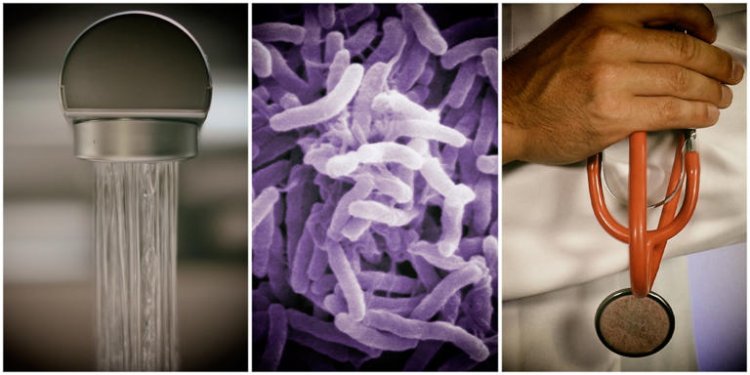
What is cholera?
Cholera is a diarrhoeal disease caused by a bacterium called Vibrio cholerae, according to the National Institute for Communicable Diseases (NICD). The bacterial disease is usually spread through contaminated water and can cause severe acute diarrhoea and dehydration. On Sunday, the Gauteng Department of Health confirmed a cholera outbreak in the rural town of Hammanskraal near Tshwane.
Signs and symptoms of cholera
It takes between 12 hours and five days for a person to show symptoms after ingesting contaminated food or water, according to the NICD.
Symptoms of cholera infection are not easily identified, but include acute watery diarrhoea, vomiting, a sudden onset of illness and dehydration.
How cholera is spread
Water contaminated with human faeces is the most common means of cholera transmission, either directly (through drinking contaminated water) or indirectly (through eating contaminated food). Water can be contaminated at its source or during storage.
Food can become contaminated when it comes into contact with contaminated water. Vegetables that have been fertilised with human excreta (night soil) or “freshened” with contaminated water also become contaminated. Fish (particularly shellfish) sourced from contaminated water and eaten raw, or insufficiently cooked, may also cause infection.
Soiled hands can also contaminate clean drinking water and food.
What to do if someone is affected with cholera
The NICD states: “Antibiotics are recommended for patients with moderate or severe dehydration”, but usually patients are treated without having to be admitted to hospital.
Rehydration (replacement of lost body fluid) is the mainstay of treatment and is lifesaving. Mild cases of cholera can be managed outside of hospital with oral rehydration.
A homemade sugar-salt solution is a good way to keep a person hydrated. The World Health Organization recommends that homemade sugar-salt rehydration solutions contain eight level teaspoons of sugar and one level teaspoon of salt added to one litre of clean, boiled and then cooled water.
How to prevent the spread
In an outbreak, the best control measures are the early detection of cases and treatment of patients, coupled with health education, according to the NICD. Hand washing is vital for healthcare workers and the community.
Health facilities should have access to adequate quantities of essential supplies, particularly oral rehydration solution and intravenous fluids to respond quickly to a cholera outbreak and prevent deaths. Provision of potable (treated) water and improved sanitation, as well as health education, are necessary to prevent the spread of cholera in the community.
Cholera vaccines are also used in outbreak situations. The WHO recommends that these are used in vulnerable populations in areas under threat of cholera outbreaks, but should not be used routinely. In South Africa, Dukoral is available commercially.
Communities should also make use of safe water: “If people are concerned about the quality of water they use for drinking and cooking, it is recommended to treat the water first by boiling it (place water in a clean container and bring it to the boil for 1 minute) or treat it with household bleach. Add 1 teaspoon of household bleach – containing 3 to 5% chlorine concentration – to 20 litres of water, mix well and leave it to stand for at least 30 minutes before use,” according to the NICD. Water should be stored and covered in clean containers.
As contaminated food may also be a source of cholera infection, attention to food safety is essential to prevent faecal contamination by food handlers. Street vendors and communal food sources will require particular attention through health education, as they pose a special risk.
What is diphtheria?
Diphtheria is a contagious and potentially life-threatening bacterial infection. It is caused by infection with a toxin-producing strain of Corynebacterium diphtheriae or, more rarely, Corynebacterium ulcerans or Corynebacterium pseudotuberculosis, according to the NICD.
Bacterial infections occur in two forms – respiratory diphtheria, which affects the respiratory system, and cutaneous diphtheria, which affects the skin.
Two cases of diphtheria, one in the Western Cape and another in Gauteng, have been confirmed in South Africa since April.
Children who are not immunised or did not complete the Expanded Programme of Immunisation schedule, are at increased risk of getting diphtheria.
What's Your Reaction?