Prime drinks can be potentially hazardous for children and pregnant women — here’s why
Prime drinks have been heavily promoted in Australia (and now in South Africa too), leading to frenzied sales in supermarkets, as well as bans in schools.
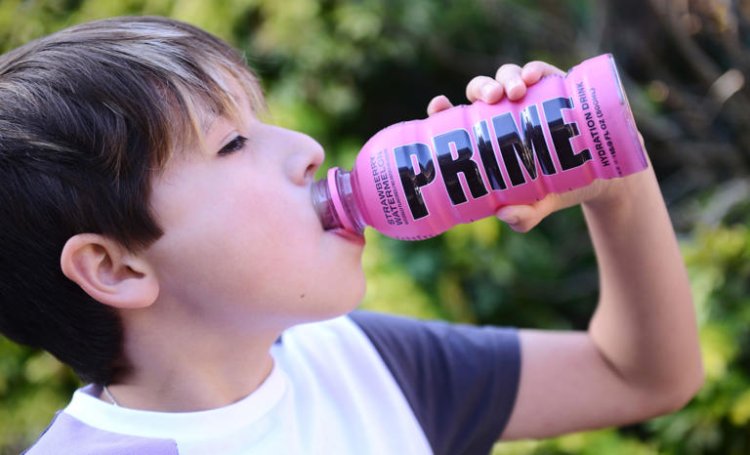
Prime offers two products: one is marketed as a “hydration” drink, the other as an “energy” drink. The latter comes with a warning it’s not suitable for people under 18 years of age, or pregnant or lactating women and isn’t legally sold in stores in Australia.
But both drinks may pose problems to under-18s and women who are pregnant or lactating.
What’s in Prime Energy?
Prime Energy contains 200 milligrams of caffeine per can, which is equivalent to about two to three instant coffees. This caffeine content is roughly double what is legally allowed for products sold in Australia.
Despite its name, Prime Energy drink contains only about 40 kilojoules from carbohydrates, which is one of our body’s key sources of energy. The “energy” in Prime Energy refers to the caffeine, which makes you feel more alert and lessens the perceived effort involved in any work you do.
Caffeine does provide performance benefits for athletes aged over 18. However, given the high quantities in the drinks, there may be better ways to get caffeine in more appropriate doses.
Caffeine is a concern during pregnancy
Health guidelines recommend limiting caffeine intake during pregnancy and while breastfeeding to below 200mg a day.
Theoretically, this drink alone, with 200mg of caffeine per can, should be fine. But practically, diets include many other sources of caffeine including coffee, tea, chocolate and cola drinks. Consumption of these alongside energy drinks would increase the intake for pregnant women above this safety threshold.
Why is caffeine a problem for fetuses and babies?
Caffeine can cross the placenta into the growing fetus’s bloodstream. Fetuses can’t break down the caffeine, so it remains in their circulation.
As the pregnancy proceeds, the mother becomes slower at clearing caffeine from her metabolism. This potentially exposes the fetus to caffeine for longer.
Studies have shown a high intake of caffeine is associated with growth restriction, reduced birth weight, preterm birth and stillbirth. Some experts argue there is no safe limit of caffeine intake during pregnancy.
With breastfeeding, caffeine passes into the breast milk. It remains in the baby’s circulation, as they’re unable to metabolise it. Evidence shows that caffeine may make babies more colicky, irritable and less likely to sleep.
What about in kids?
Children also have a limited ability to break down caffeine. Combined with their lighter body mass, a caffeine-based drink will have a more pronounced effect.
As such, safe caffeine levels are determined on a weight basis: 3mg per kg of body weight per day. For example, children aged 9 to 13 years, who weigh no more than 40kg, should have no more than 120mg of caffeine per day. Those aged between 14 to 17 years who weigh less than 60kg should have no more than 180mg per day.
What's Your Reaction?